In May 2026 Italy and the rest of the world mourned the passing of an inspirational icon. Carlo Petrini, an Italian writer and food activist, was the founder of the global Slow Food movement. Born in Bra in Piedmont, in 1949, he dedicated his life to promoting local food traditions and sustainable agriculture in response to the growing influence of fast food outlets and industrial farming. Slow Food was launched in 1986 and through the movement Petrini encouraged people to value food that is “good, clean, and fair” for consumers, producers and the environment. He also helped establish the University of Gastronomic Sciences in Italy to educate students about food culture. His achievements earned him international recognition as one of the leading voices in the drive towards sustainable and responsible food systems.
The Slow Food movement has impacted many of our hiking itineraries and we wholeheartedly share the same beliefs. We constantly hunt for restaurants, local producers and small shops and markets who champion regional and seasonal ingredients. This applies not only in Italy but wherever we are walking in the world.
The University of Gastronomic Sciences
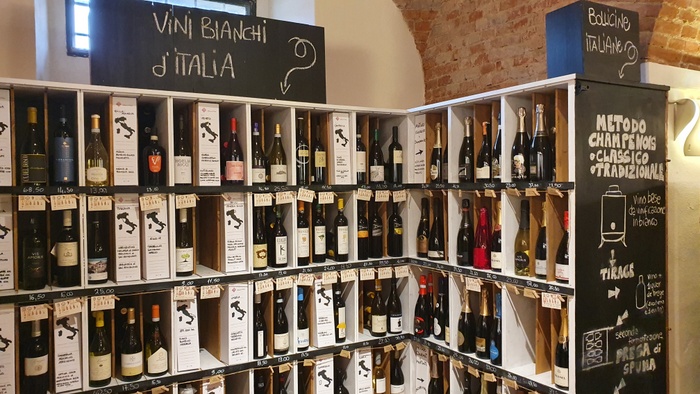
On our Jewels of Piedmont tour in October, we visit the University of Gastronomic Sciences, which is also home to Italy’s first Wine Bank. This unique project came to life thanks to Petrini’s aim to curate a comprehensive library of Italian wine. There are more than 100,000 bottles here from around 300 different producers. The focus is on winemakers who use traditional techniques, respect the environment and protect the incredible biodiversity of Italy’s different grape varieties.
The Cittaslow Network
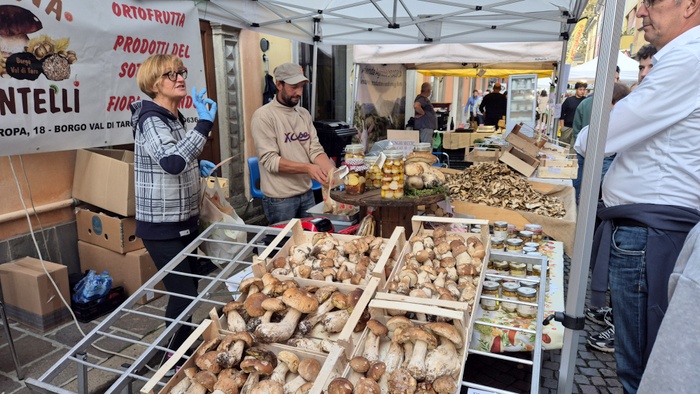
Our Parma, Tuscany and the Ligurian Sea tour takes us to the tiny village of Borgotaro in the Emilia-Romagna region. This is an example of a Cittaslow – another initiative inspired by Petrini. This is an international network of small towns promoting a slower, more sustainable and higher-quality way of life. They aim to combat the stress of modern life by boosting local economies and preserving cultural heritage. The movement now includes hundreds of towns across more than 30 countries. Borgotaro is also internationally renowned for its porcini mushrooms, which hold Protected Geographical Indication (IGP) status. The town hosts an annual mushroom festival which we visit as part of our tour.
The Slow Food Editore
The flagship Osteria d’Italia guide published by the Slow Food Editore showcases the richness and diversity of Italian regional cuisines at an affordable price, in restaurants recommended and reviewed by over 250 contributors and the national Slow Food network. Osterias are awarded the Chiocciola, the symbol of the snail, the highest recognition given to establishments that stand out for their ambience, cuisine and hospitality. A good example is on our Southern Italy tour, when we dine at Da Peppe in the tiny village of Rotonda. The menu features authentic Lucanian dishes that highlight local treasures, such as the famous melanzana rossa di Rotonda (red eggplant) and crispy peperoni cruschi.
Slow Food Presidia
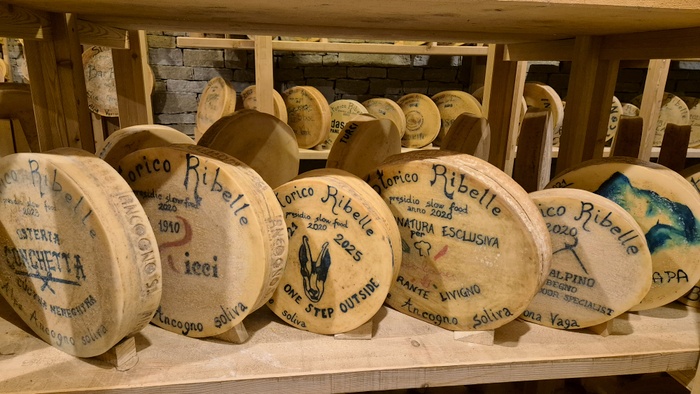
The Presidia are Slow Food Communities that work every day to save native livestock breeds, local fruit and vegetable varieties, bread, cheeses, cured meats, sweets and more. They are committed to passing on traditional production techniques and crafts, they care for the environment and they add value to the local landscapes and cultures.
The Presidia involve thousands of farmers, food artisans, shepherds, fishermen and winegrowers around the world.
On our Northern Lombardy tour we visit the cheesemakers who are part of this community producing Storico Ribelle. This delicious cheese comes from a small alpine area in the northern part of Lombardy, known as the Valtellina valley, and it is only made in the summer months between June and September. Hundreds of Presidia ingredients are included in our menus across Italy, from the red and yellow Capriglio peppers of Piedmont to the Gorizia Rose Radicchio from Friuli.
The Slow Wine Coalition
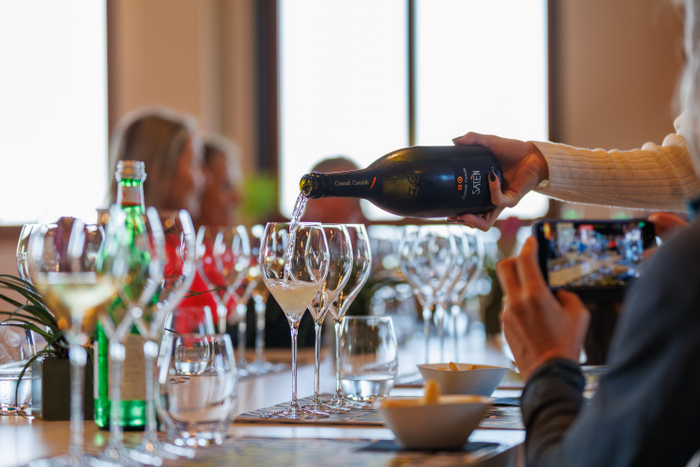
In addition to his other achievements, Petrini’s philosophy for food has been extended to the production of wine. The Slow Wine Coalition brings together everyone involved in the international wine chain, from farmers and viticulturalists to distributors and sommeliers. Through events, education and the annual Slow Wine guide, the coalition fosters a culture of sustainability and community that values quality over quantity, and the long-term health of the land over short-term yields.
The Slow Food Cook’s Alliance
This is an international network of chefs committed to protecting local food traditions, biodiversity and sustainable agriculture. Inspired by the Slow Food movement, participating chefs highlight on their menus regional ingredients, endangered foods and small-scale producers. They help to preserve culinary heritage while promoting fair treatment of workers and ecosystems.
When Petrini died in his hometown of Bra in May this year, this visionary character left behind a legacy that has had a worldwide impact. He has inspired communities around the globe to preserve traditional cuisines and support ethical farming practices. Italian President Sergio Mattarella said his death left a “huge void not only in the world of food and wine science, but also in society as a whole, and not just in Italy”.