
Wine growing and production in Lazio are deeply rooted in history, dating back to the time of the Etruscans and later refined under the Romans, who developed advanced viticulture techniques. Today, Lazio’s vineyards stretch across volcanic hills and coastal plains, benefitting from mineral-rich soils and a Mediterranean climate. The terroir supports both white and red grape varieties, but the region is perhaps best-known for fresh, aromatic white wines. Although historically Lazio has been associated with simple, everyday easy-drinking wines, it has increasingly focused on improving standards and producing more refined and distinctive wines. Hikers on our Etruscan Trails in Central Italy tours have the chance to taste many of these wines.
Key White Grapes from Lazio
Malvasia del Lazio – the most important white grape in the region which brings aromatic, floral notes and soft texture to many blends.
Trebbiano – a large family of varieties of white grape grown widely across Italy, but in Lazio you are most likely to see trebbiano toscano, or trebbiano giallo or trebbiano verde making up the local blends.
Greco – native to the Campania region but widely grown in Lazio, a grape which adds structure and complexity when blended.
Bellone – an ancient indigenous grape that thrives in volcanic soil and loves coastal breezes.
Bombino Bianco – another white grape which contributes lightness and crispness to local blends.
Key Red Grapes from Lazio
Cesanese – the standout variety, often considered Lazio’s signature red grape, capable of producing wines with spice, dark fruit and good structure.
Montepulciano – not to be confused with the Tuscan town, this key red grape adds deeper colour, softer tannins and plum-like richness to blends.
Sangiovese – this well-known red grape plays a leading role thanks to its versatility, bright acidity and red cherry flavours.
International varieties such as merlot are often used in blends.
Top Wine Denominations in Lazio
Frascati Superiore – One of the best-known whites near Rome, typically made from Malvasia and Trebbiano, offering fresh, floral and slightly nutty notes.
Cannellino di Frascati – A sweet version of Frascati, rich and honeyed, made from late-harvest grapes and enjoyed as a dessert wine.
Cesanese del Piglio – Lazio’s standout red wine, made from the Cesanese grape, with cherry, spice and earthy complexity.
Est! Est!! Est!!! di Montefiascone – A light, crisp white with citrus and floral notes, tied to a famous medieval legend.
Castelli Romani – A broad denomination covering both reds and whites from the hills southeast of Rome.
Colli Etruschi Viterbesi – Red and whites come from this area in the north of the region, close to Viterbo.
Colli della Sabina – A small, historic wine-producing area between Rieti and Rome producing red and white wines.
Wine Tip
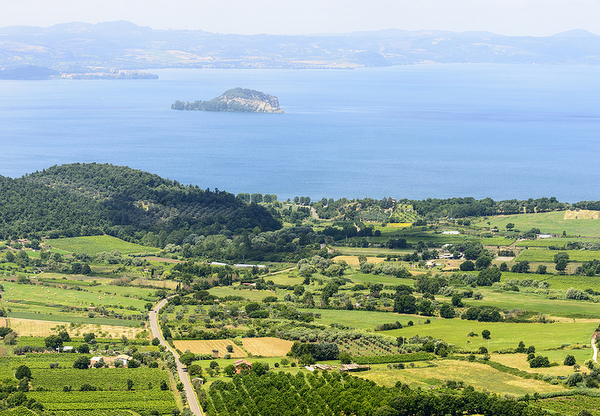
If you are a lover of dessert wines, keep an eye out for Aleatico di Gradoli. It is a distinctive red wine from Lazio produced around the town of Gradoli near Lake Bolsena. Made primarily from the aromatic aleatico grape, it is often crafted in both dry and sweet (known as passito) styles, with the latter being especially prized. The wine is known for its intense floral and fruity bouquet, featuring notes of rose petals, ripe red berries and sometimes hints of spice. It pairs beautifully with desserts like chocolate and pastries, but can also complement aged cheeses.