
Puglia, the heel of Italy, is one of the country’s most important wine-producing regions, known for its warm Mediterranean climate, fertile soils, and long winemaking tradition. The region produces a wide variety of wines, with red wines particularly prominent, including those made from indigenous grapes such as Primitivo and Negroamaro. The hot, dry summers and abundant sunshine help the grapes develop rich flavours and ripe fruit characteristics, while coastal breezes can provide cooling influences. Historically, Puglia exported large quantities of wine in bulk, which was used to strengthen or blend wines produced elsewhere. In recent decades the region has increasingly focused on bottled, higher-quality, flavourful wines that offer excellent value, helping to build Puglia’s reputation as a destination for distinctive Italian wines. A large share of its production is sold to European markets, as well as countries such as the United States and Canada. Hikers on our Southern Italy tour will taste wines from this region, particularly when they reach Matera.
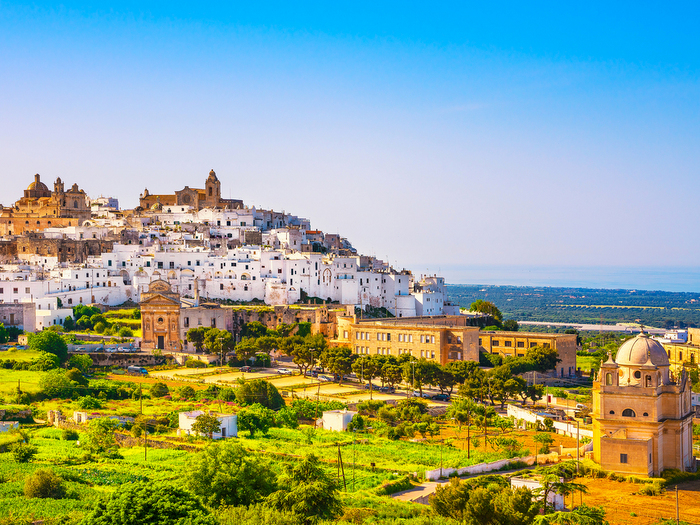
Key White Grapes of Puglia
Verdeca — Probably the region’s best-known native white grape. Fresh, citrusy and mineral, especially associated with Valle d’Itria and wines around Locorotondo and Martina Franca.
Bianco d’Alessano — A traditional Valle d’Itria variety, often blended with Verdeca. Produces delicate, aromatic, relatively light-bodied whites.
Bombino Bianco — Widely planted in southern Italy and important in northern/central Puglia. Generally produces light, fresh, high-acid wines.
Malvasia Bianca — Several Malvasia types are found in Puglia. They tend to bring floral, peachy and sometimes slightly exotic aromas.
Impigno — A lesser-known indigenous variety from the Ostuni area, typically used for fresh, aromatic white wines.
Pampanuto — A local white grape of northern Puglia, particularly associated with the Castel del Monte area.
Fiano — Although native to Campania, the white grape Fiano is also cultivated in Puglia and has become important in the region, particularly around Salento and the Valle d’Itria.
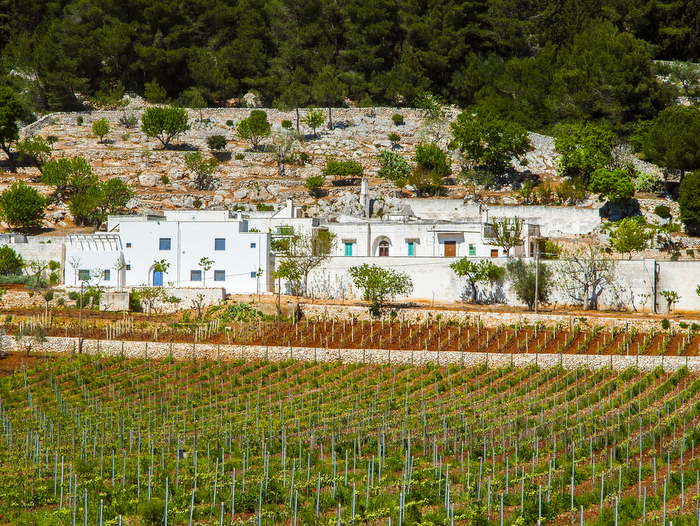
Key Red Grapes of Puglia
Primitivo — One of Puglia’s flagship grapes, especially associated with the wine-growing areas of Manduria and Gioia del Colle. Rich, ripe and powerful, often with high alcohol.
Negroamaro — A defining grape of Salento, particularly around Lecce, Brindisi and Taranto. Deeply coloured, full-bodied with notes of black cherry, herbs and spice.
Nero di Troia — The principal native red of northern Puglia, especially the Castel del Monte area. More structured and tannic than Primitivo, with dark fruit, violet and spicy character. Sometimes this is known as Uva di Troia.
Susumaniello — A distinctive variety, historically centred around Brindisi. Produces deeply coloured, fresh, fruity wines and is increasingly bottled as a varietal.
Ottavianello — A rare traditional grape of the Ostuni area. Generally produces lighter, aromatic reds and rosés.
Malvasia Nera — Several local Malvasia Nera biotypes exist in Puglia, commonly used in blends with Negroamaro and other grapes. Adds colour, fruit and perfume.
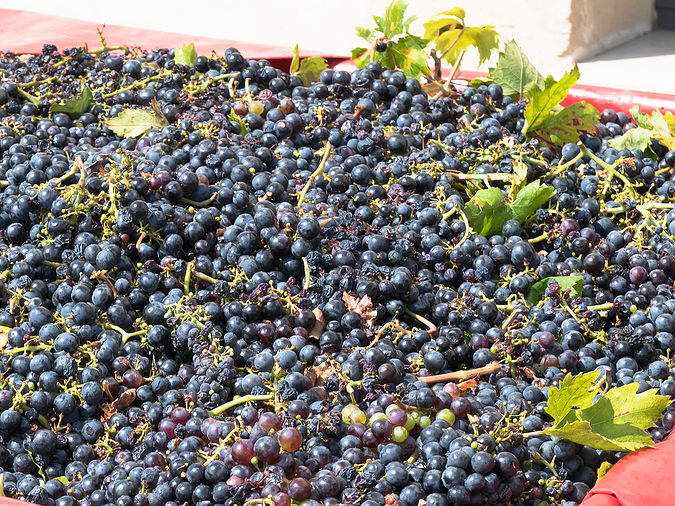
Key Wine Denominations of Puglia
Primitivo di Manduria — probably Puglia’s best-known denomination, centred on Primitivo around Manduria and Taranto. It produces rich, powerful reds, as well as a distinctive and sweet Dolce Naturale made from slightly dried grapes.
Castel del Monte — in northern Puglia, particularly around Bari and Andria. Known for Nero di Troia, as well as Bombino Nero red and rosé.
Salice Salentino — centred on Salento and strongly associated with Negroamaro, producing full-bodied red and rosé wines.
Gioia del Colle — an important denomination for Primitivo, generally producing wines with a fresher, more structured character than those from Primitivo di Manduria.
Brindisi — centred around Brindisi, producing red, rosé and white wines, with Negroamaro particularly important.
Leverano — in the province of Lecce, producing a range of wines, including those based on Negroamaro and Malvasia Nera.
Copertino — another Salento denomination, particularly associated with red wines based on Negroamaro.
Locorotondo — one of Puglia’s notable white-wine denominations, based mainly on Verdeca, Bianco d’Alessano and other local varieties.
Martina Franca — a traditional white-wine denomination using local varieties including Verdeca and Bianco d’Alessano.
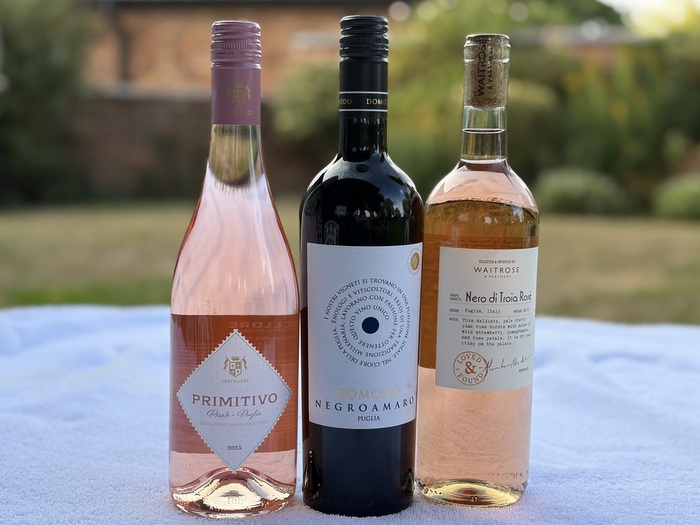
Wine Tip
Puglia makes some delicious rosé wines which go by the name of “Rosato”. They are loved for their vibrant colour, refreshing character and expressive Mediterranean style. Made chiefly from the local red grape varieties Negroamaro, Primitivo and Nero di Troia, Puglian “rosatos” range from pale pink wines to deeper, more intensely coloured styles. They often combine red-fruit flavours such as strawberry, cherry and raspberry with subtle floral and herbal notes, balanced by lively acidity. They pair very well with seafood, salads, grilled vegetables and lighter Mediterranean dishes.