
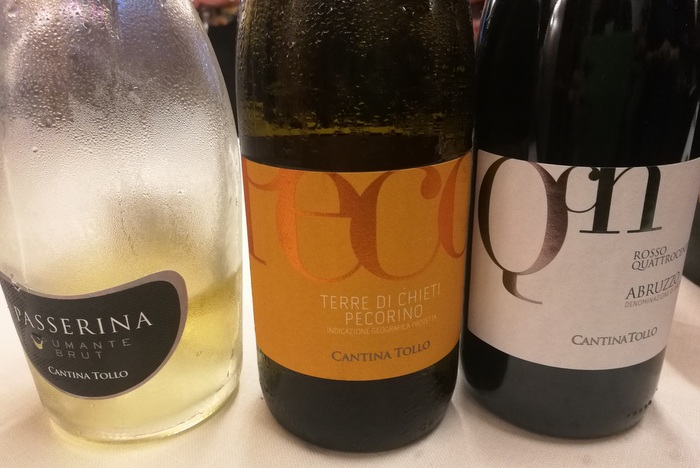
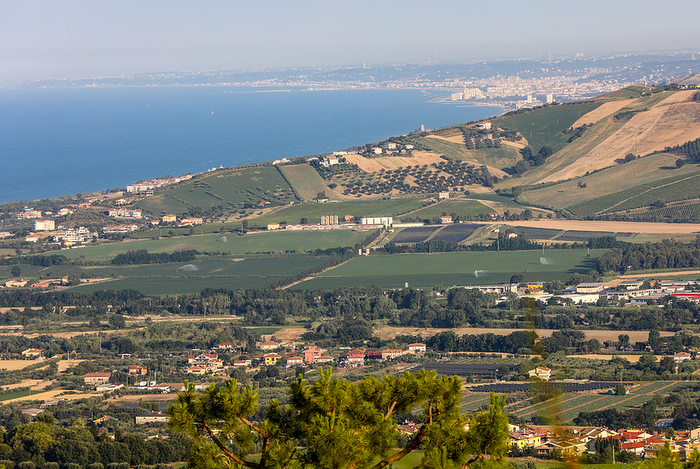
Wine production in Abruzzo in the centre of Italy, is shaped by a striking landscape of Adriatic coastline and Apennine mountains. This creates warm days, cool nights and diverse soils ideal for viticulture. The region is best known for Montepulciano, a deeply coloured red grape that produces structured, fruity wines and for white Trebbiano d’Abruzzo. There is also a growing range of indigenous white varieties which have evaded extinction such as Pecorino, Cococciola and Passerina. Historically associated with high-volume cooperative production, Abruzzo has increasingly focused on quality, with modern vineyard management complementing more traditional methods. Today, it balances strong export markets with a renewed emphasis on regional identity. Guests on our Wilds of Abruzzo tours will have the chance to taste all the region’s interesting grape varieties.

Key White Grapes from Abruzzo
Trebbiano d’Abruzzo – Historically the most planted white grape and the backbone of Trebbiano d’Abruzzo. At its best, it shows crisp acidity with flavours of lemon, green apple and almond, and a subtle mineral edge. Quality ranges from simple and fresh to surprisingly complex, age-worthy examples.
Pecorino – The region’s modern success story. Highly aromatic with citrus and saline notes, plus naturally high acidity. It makes vibrant, structured wines that pair beautifully with seafood. It was considered practically extinct by the mid-20th century, but it was rediscovered in the 1980s and subsequently revived.
Passerina – Fresh, light and lively. Expect delicate citrus, pear and floral tones. Often made in an easy-drinking style, though some producers are elevating it with more texture.
Cococciola – Less common but increasingly appreciated. Typically crisp and clean with gentle fruit and refreshing acidity.
Key Red Grapes from Abruzzo
Montepulciano – This is the undisputed star of the region. It is the backbone of Montepulciano d’Abruzzo and also used for the lighter Cerasuolo d’Abruzzo. It produces deeply colored wines with dark cherry, plum and spice flavours, and firm tannins. Styles range from easy-drinking to powerful, age-worthy examples, especially from the Colline Teramane zone. Not to be confused with Vino Nobile di Montepulciano, which hails from Tuscany!
Sangiovese – Planted in smaller amounts compared to Montepulciano. It is often blended but can appear on its own, offering brighter acidity and red-fruit character.
International varieties are grown in limited quantities, typically used for blends to soften structure or add plush fruit, and these include Merlot and Cabernet Sauvignon.
Top Wine Denominations in Abruzzo
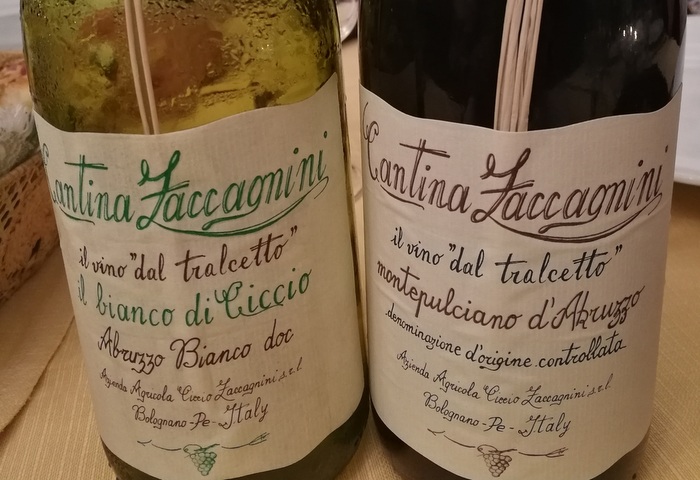
Montepulciano d’Abruzzo Colline Teramane – The region’s top-tier designation. The vineyards are planted in the Teramo hills in northern Abruzzo and there are stricter production rules and longer ageing periods that the more simply named Montepulciano d’Abruzzo. These wines are well structured, age-worthy and refined.
Montepulciano d’Abruzzo – The flagship denomination which must be made from at least 85% Montepulciano. These are deeply colored reds with dark fruit, spice and firm structure. Styles range from everyday drinking to the more powerful Riserva bottlings.
Cerasuolo d’Abruzzo – This is Abruzzo’s distinctive rosé made primarily from Montepulciano grapes. Its name means “cherry-like” and this is also a good description of the colour. In terms of flavour it is fresh but often more structured than typical rosé. See more on this below.
Trebbiano d’Abruzzo – The region’s traditional white denomination, making crisp, citrus-driven wines, with top examples showing complexity and ageing potential.
Abruzzo Pecorino – This denomination is becoming increasingly important for premium white production, and the wines are aromatic with saline and herbal notes.
Wine Tip
It is a mistake to think of Cerasuolo d’Abruzzo as “just a rosé.” Traditionally, it was often consumed before the region’s Montepulciano reds were ready to drink. Because it is made from the dark-skinned Montepulciano grape it has a deeper cherry colour, stronger fruit flavours and more body than many pale rosés like those from Provence. The result is something closer to a light red wine, while still keeping the freshness of rosé. These wines are usually medium-bodied and more robust than typical rosés because the grape skins release more colour and flavour during a short maceration. People who enjoy more character, stronger fruit and food-friendly wines often find Cerasuolo d’Abruzzo more interesting than lighter rosés.